Categories
E2E: Scale

Advice for Entrepreneurs on Board Management: Mind the Information Gap

This post originally appeared on Forbes.com on March 28, 2018 where Michael Smerklo is a regular contributor.

This post originally appeared on Forbes.com on March 28, 2018 where Michael Smerklo is a regular contributor.

When you’re a CEO, you have countless things to do every day. You are always pressed for time, you’re being pulled in a million different directions and you’re hyper-focused on growth. So you have to prioritize these never-ending tasks, and it’s only natural that tasks with *seemingly* little value-add get pushed to the bottom of the to-do list. Frankly, that’s how I used to feel about my Board of Directors.

I felt it was a ‘necessary evil’ of my new gig as CEO: one that I knew I had to eventually deal with, but felt wasn’t going to be instrumental in helping my company. I didn’t get much insight from them when we met so why should I dedicate any of my already-sparse time investing in a relationship with them, right? Wrong. I was very wrong.
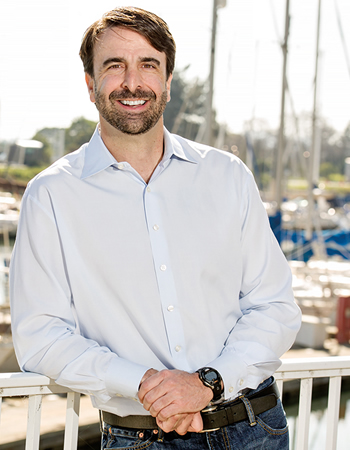
Michael Smerklo, co-founder and managing director of Next Coast Ventures

One, simple conversation with a mentor led me to realize that a Board can be the pivotal difference between success and failure during your entrepreneurial journey. You will be tempted to de-prioritize your Board in lieu of other initiatives that seem more important, and frankly are more enjoyable. Resist that temptation. You just have to take a step back and learn how to handle them and their expertise in the context of you and your company’s goals.

Before I divulge the conversation that changed my perspective on my Board, let me assure I was making classic “Founder moving to CEO” mistake.

For the first few years I was running my company, I didn’t really engage my Board in a strategic manner and kept most of the meetings high-level – making sure that I had every question answered before I even walked into the boardroom. I would fill my Board decks with pages of details on topics I knew I felt were solid, preventing any sort of critical discussion from materializing.

I wasn’t trying to hide anything, I just wanted to ‘check the box’ of my Board meeting as quickly and painlessly as possible because I didn’t understand how to get much from them – individually or collectively. I was treating my Board as an overlord that needed management instead of an arrow in my leadership quiver, and my frustration grew after every Board meeting when I realized these meetings were often interesting, but never compelling.

Although the change in how I approached my Board did not happen overnight, I owe a debt of gratitude to one of my best Board members, Bruce Dunlevie, founding partner of Benchmark Capital, the preeminent venture capital firm in Silicon Valley. Bruce could see what was happening from a mile away – he had seen so many other entrepreneurs fall into this trap – and he could empathize with me and my effort to deal with a powerful Board.

So after one particularly frustrating meeting, he pulled me aside and asked me one critical question that changed how I viewed my relationship with my Board by focusing on what I now call the: ‘Entrepreneur-Board Information Gap.’ He asked:

“Mike, does anyone on the Board know as much as you do about your business? Seriously – how big is the gap between what you know about the operations versus what the Board even understands about the business. Have you taken this gap into consideration when building the Board agenda and supporting materials?”

As I reflected on this question – keep in mind, reflecting on questions like these is not a natural exercise for most entrepreneurs – I quickly noted that I spent at MINIMUM 80 hours a WEEK thinking about my business, while my average Board member thought about the same topic for AT MOST 40 hours a YEAR. This is a HUGE discrepancy, and noticing this delta – this gap – is probably the most important realization for any entrepreneur managing their relationship with their Board, setting an appropriate agenda or building a compelling Board deck.

Simply put, the biggest mistake most entrepreneurs make when working with their Board is not minding the information gap – the Entrepreneur-Board Information Gap, let’s call it ‘EBIG.’

The EBIG dictates one, simple rule: don’t attempt to get your Board up to the same level of understanding as yours, rather, use this information gap to your advantage. That is, being aware of the EBIG and how to leverage it becomes the key to turning your Board into one more arrow in your quiver that will help you build an amazing business.

One specific way that minding the EBIG changed my approach to my Board was learning to strike a balance in my Board materials that was a good mix of key operational updates and open-ended strategic discussion. You will be amazed at how much you can get out of your Board in short order when you stop spending all your time trying to get them up to speed, or wasting time prepping abundant Powerpoint slides in an attempt to answer every question in advance of the meeting.

For instance, I used to spend 90 minutes of a four-hour Board meeting – and hours of prepping the meeting – providing an ‘executive summary’ of the current state of operations of my global business. I thought: How could they really give me any feedback if they didn’t thoroughly understand the state of the business that I worked with every day? But then I thought of the EBIG.

My Board of seasoned executives wasn’t there to dive into the details of the operations. That was a waste of their valuable time, and a waste of mine. They didn’t need those details to understand the big picture of the business and provide me with the high-level insights I was desperately seeking.

Instead, after Bruce’s invaluable feedback and direction, I modified my typical 15-page ‘executive summary’ down to one slide. This slide had three sections: 1) What’s Working, 2) What’s Not Working and 3) Implications (of both). This one-page slide served as the springboard for repeatable, meaningful and open-ended Board discussions thereafter.

So no matter how busy you get, or how much is on your plate as a CEO and an entrepreneur, remember that working with your Board is a non-negotiable part of your job description and a necessary component to making your company successful. So don’t resist their feedback. Instead, take a step back, reflect on where you could use input and present it in a way to make that easy – or as I like to say: mind the EBIG.

Bruce Dunlevie

Building these types of judgment-free relationships is an endeavor that lasts a lifetime, and like any good relationship, having a strong network takes upkeep. It’s an active exercise, not a passive one. Just as you evolve as an entrepreneur, your mentorship circle should evolve as your business and personal needs change.

For example, when I was first getting started, it was critical for me to get advice from those who were highly engaged in startups and understood all the key issues that getting a business off the ground entails. Simple suggestions about hiring, board meeting agendas or what payroll systems work best all helped me avoid mistakes others had already made and also saved me countless hours.

However, when my company was a more mature and I was working to shift my business model, I proactively shifted my mentorship circle.

Whenever I am fortunate enough to retire and look back at the ups and downs of my career, I am going to have a lot of thank you notes to write. Without my mentors, it wouldn’t have just been a dealbreaker for some investors I met along the way, it would have been a dealbreaker for my career. So do some self-reflection, check your pride at the door and seek out those who will be able to make you a better entrepreneur, and a better person. It is the weak leader who believe they need to do it all themselves.

For instance, Ben’s advice on hiring was critical to me when I was going through the startup phase and hiring the first 50 employees. However, the ‘critical’ input I needed running a 3,000 person, publicly traded business was much different. I found myself needing to recalibrate my mentorship network. So I—once again—made sure my humility was still fully intact and proactively sought out seasoned, C-suite executives to help guide me through this new phase of my career.

Categories
E2E: Scale

A Bad Board of Directors Can Ruin Your Company

Note: This article originally appeared on Entrepreneur.com on February 2, 2018. It has been republished here with the permission of its author, Neal Dempsey. You can find the original article here.

Companies live or die by the people who run them. The product is almost insignificant compared to the influence of humans, good and bad. That includes the board of directors. Founders should take great care when choosing their board members because an inexpert board of directors can bring a company down.

Not every company has choices about investor money or the board members assigned by the investors. However, think of investors and board members like a marriage. You’re going to be together for 7-10 years, so you’d better be sure it’s a good match.

While investors perform extensive due diligence on companies before giving money, founders don’t often take the time to scrutinize investors. That’s a mistake. It’s not only your right, but it’s your fiduciary duty to research your investors. Spend time with them – get to know them. Understand their strengths and weaknesses, just as they understand yours. Make sure you call other companies they’ve invested in and get a good understanding of how they work with their investments, function as a board member and interface with the CEO and management.

Neal Dempsey, Managing General Partner, Bay Partners

Just because an investor has previous successes doesn’t mean he or she is a good match for your company. Your board members need to understand how fragile companies are in the early days. They need to know how to move the company to a more secure position in the market. Maybe the board member has a big name with a big company, but that may not be what your company needs. Chances are, that person will give advice based on what a big corporation would do, and that can drain your resources and cash. Small companies need to be lean and act quickly. Big companies function on big revenues and slow, bureaucratic decision-making. If your potential investor or board member doesn’t understand the difference, he or she may not be right for you.

Early stage board members need to be more hands-on with the company. For example, one investor I know sat on the board of an early-stage company that was about to run out of cash in 30 days. Giving advice wasn’t enough. He worked with the founders to develop a tactical plan that would bring in the customers and cash they needed to survive. The founders drew a 30-day calendar on a white board. They labeled each day with a minimum new revenue number required to meet the 30-day survival plan. The investor was in the office every day during that time, helping them navigate challenges and find additional customers and revenue sources. Investors need to be big picture, strategic thinkers. But sometimes, they need to be doers and make things happen for the company. Investors and board members may not manage the company day-to-day, but in the early stages, board members are almost part of the executive team.

Choose board members with a breadth of experience that rounds out your management team. If you’re a technologist, bring on advisors who are good at sales and marketing. If the CEO is a sales expert, include a product development or technical advisor. Seek a human resources specialist to think through strategic hires. The board should complement the founders’ skill sets and bring needed expertise for growing and pivoting the company as needed.

On the other hand, the board shouldn’t run the company in place of the CEO. The CEO still needs to have the final say. One founder I know deferred to the board’s insistence on a particular hire to lead the North American office. The CEO did not think this person had a good understanding of early-stage companies, the market or his customers. The board liked this guy because he had successfully run divisions of big companies. In fact, the board all came from big corporations, so they were most comfortable with like-minded, big company people. The founder hired the person despite his apprehensions, solely on the recommendation of the board. That hire almost ended his company. The new hire spent most of the company’s investment money on all the wrong things and accomplished none of the company’s goals. The hire set the company back years because they couldn’t get a second round of funding. The board misguided the CEO because they didn’t have early-stage experience. Today, the founder says his big regret was not only choosing a board who didn’t understand his business, but blindly following their advice.

Conversely, one of the companies I invested in had a CEO who was quite skeptical about taking investor funding. She carefully interviewed each potential investor. One venture capital (VC) firm pulled what we call a “bait and switch.” They put their top leader forward while courting the company, and then when they were ready to close the funding round, assigned a younger, inexperienced associate to sit on this company’s board. The VC firm thought they had the deal locked in, but the CEO did not respect the inexperienced board member and as a result declined the funding deal. Stunned by her decision to leave them out, the VC firm begged to repair the relationship. The founder only let the investors join the funding round once she noted in the contract that the young associate would not be allowed to sit on her board or advise her company, and the most senior partners would be the only ones to interact with her. That was a brave decision, but she knew over time, that board member would be fatal to her company. A lesser funding round might make things harder in the short-term, but avoiding a toxic board member was the right long-term decision. In the end, by standing up to the investors, she got everything she wanted.

Be as selective with your investors and board as you are when choosing a spouse. Find investors with experience in your market and early-stage companies. Don’t worry about getting the flashiest name you can get. Make sure advisors truly understands your vision, business and bring real value. Get reference checks from their portfolio companies, customers and employees. Learn what they’re like in the heat of battle when things are tough, because there will inevitably be hard times. How do they solve problems? How do they mentor founders through the difficult trials? Turn down a bad investor or board member if necessary. Most importantly, be the driver of your company, even after you’ve selected your board. Follow your gut. Chances are your instincts are right.

About Neal

Neal Dempsey is the managing general partner at Bay Partners. He joined Bay Partners in 1989 and focuses on SaaS, software, enterprise, Internet and eCommerce companies. He created the Dempsey Foundation and founded the Center for Innovation and Entrepreneurship at the University of Washington Foster School of Business. He had 3 IPOs in 2012 with Eloqua (which was acquired in 2012 by Oracle for $871 million), Enphase Energy ($242 million) and Guidewire Software (market cap: $2.09 billion). Dempsey is an adventurer who has climbed six of the seven tallest summits in the world. He says of his propensity for risk: “My philosophy is to always do something that scares you, which includes investing sometimes. But that’s when I feel most alive.”

Categories
E2E: Scale

Good Governance: Six Proven Principles with Joe Mandato

Note: This post was written by Joe Mandato and was originally published on his Medium page on October 13, 2017 – as an investor in Next Coast Ventures, he agreed to let his work be republished on E2E. Joe is the Managing Director at De Novo Ventures & Senior Advisor to Mainsail Partners. You can read more E2E content on board management here.

Innovators are consumed with crossing the chasm, but when they take other people’s money they also need to practice good governance — here are six governance principles they can rely on.

I served on the board of a company that was nearly destroyed by poor governance. The co-founder and CEO resisted the input of board members, avoided recruiting an experienced world-class board member, allowed the board to be stacked with rubber-stamp investors, and spent many millions of dollars on a failed strategy. Only after three years of this did the board terminate him.

Innovators, you can easily take early action to avoid such a fate. But you’re often so consumed with the winner-take-all mantra of the tech industry that you dismiss the simple practices of good governance. In an attempt to reverse this culture-run-amuck, I want to offer up six nuts-and-bolts principles that I believe constitute strong board governance.

Joe Mandato, Managing Director at De Novo Ventures

1. Know the board’s duty.

Venture-funded companies often operate under Delaware corporation law. Under this law, directors must exercise their “duty of care,” which is defined as the degree of care an ordinary person would use when making key decisions and to obtain all reasonably available materials and inputs before making such decisions. Directors also must exercise their “duty of loyalty,” which requires them to act in good faith and in the best interest of the company and all shareholders. Innovators who are taking other people’s money must a priori understand that the board has a fiduciary obligation to take actions that will not only create shareholder value but also maintain the health and viability of the enterprise. This applies from day one of the creation of a board.

2. Recruit directors who add specific skills to the company

Investors expect board seats at the time of their cash investment. Knowing this, entrepreneurs should ensure the remainder of the board, beyond investors, is diverse and consists of people with the skills, expertise, and contacts for company success. What are the biggest opportunities the company should pursue and the biggest challenges the company needs to overcome? What skill gaps exist at the board level for addressing these opportunities and challenges? Fill gaps accordingly. It’s straightforward, but companies rarely approach it that way. Take Theranos, for example — two of its early board members, George Shultz and Henry Kissinger are long on pedigree but short on relevant experience. Less pedigree and more experience would have helped co-founder Elizabeth Holmes as she navigated growth challenges.

3. Structure the board for sustained growth

At a minimum, an early stage company should have a lead director who can strongly balance the founder and CEO, but I prefer full separation of the CEO and chairperson roles. Also, put in place a committee structure that includes compensation, audit, and governance committees, each chaired by a director with relevant experience and interest. Create ad hoc committees to deal with specific issues such as financings, IPOs, and acquisitions. I recall that as a director of and investor in Avedro, a company that markets a device to treat eye diseases, I was duly impressed when its CEO, Dr. Reza Zadno, early in his tenure recruited a world-class, former public company CFO to head up the board audit committee.

4. Ensure the board chair sets the board agenda.

The board chair sets the agenda for each meeting and should start with a review of the company’s performance against goals. Explain shortfalls and surpluses and the implications for the future. One tech entrepreneur I know, Pervinder Johar of Steelwedge Software, where I was an investor, began board meetings with this context:

  • · The State of the Company
  • · What went well this quarter
  • · It would have been even better if . . .
  • · Company Risks and Market Dynamics

After you offer introductory comments such as the above, cover sales and marketing, key performance indicators, cash and capital needs, people, and product development. End with an executive session to discuss the CEO, items management must address at the next board meeting, the meeting itself, and the board itself, including gaps that need filling. I’ve seen some CEOs stick to an agenda template so rigidly that they don’t leave time to discuss critical issues facing the company. “Critical Issues” should be an agenda item for all board meetings. Lead discussion and debate on these issues, even if it requires going past time or scheduling a special meeting.

5. Manage the board

Boards of young companies need to meet more than quarterly because big decisions come frequently; the board should convene every two months (or possibly quarterly with mid-quarter conference calls). Also, hold committee meetings pre-board meeting and as often as necessary. Karen Zaderej, CEO of AxoGen (AXGN), always put the eve of board meetings to productive use by hosting a board dinner that included her executive team. These working dinners, which addressed a single company topic in depth, enabled executives and directors to get to know each other, while going deep on a single issue. I was always impressed that the selected topic received ample board attention and input (I was a director until 2016, and I remain an investor).

Karen also engaged the board with specific projects and paired board members with executives on functional teams to jointly provide input on the company’s strategic plan. She put the quality and experience of directors to excellent use. In managing the board, it’s also very important that the chair hold directors to their responsibility of evaluating management and leadership, including the board itself.

6. Establish a truthful, trusting, and transparent board culture

The board chair or lead director sets the tone. A board’s words and deeds need to demonstrate commitment to being an ethical board and operating in an environment of truth, trust, and transparency, even and especially in the midst of driving results. Period. Uber is a counter example of this. Founder-CEO Travis Kalanick hardly established a culture of truth, trust, or transparency, and the board let him get away with this, only eventually dismissing him, but far too late.

Those are six principles that in my experience form the nuts and bolts of venture-backed company governance. They counterbalance the mandate to develop a technology quickly and own the market.

I want to end on a high note, an example of great governance. In 2011, Sid Satish founded Gauss Surgical, a developer of a software platform for transfusion management in a hospital setting. (I was an early investor in the company.) Satish wanted the company to have a positive impact in a large market, and he made his personal standing a secondary consideration. He recognized his skill gaps and formed a sophisticated board; recruited Jay Watkins, a medical device entrepreneur and investor to act as a coach and independent director; and worked with Dr. Milt McColl, a former Boston Scientific executive, as his chairman and CEO. Satish and McColl formed a team that raised capital and released the product to the market on time and on budget. Satish accepted McColl’s leadership, coaching, and when the time was right, Satish took over as CEO. Gauss today is in the market, enjoys revenues and significant usage and is on its way to becoming a leader in transfusion management.

My thirty years of experience has shown me that innovators like Satish, who lead early and often regarding the six governance principles, are far more likely to grow successful companies than those like Kalanick, Holmes, and others, who flout them.

About Joe

Joe is the Managing Director of De Novo Ventures in the Bay Area. Prior to joining De Novo, Joe served as Chairman of Confer Software, a developer of software. He also served as President/CEO of Origin Medsystems, and co-founded and served as CEO of Gynecare, which was acquired by Johnson & Johnson. Earlier in his career, he was CEO of Ioptex Research. He began his career in healthcare as a Captain in the U.S. Army Medical Service Corps.

Joe received his Doctor of Management from Case Western Reserve University, and serves on its Board of Trustees. He also sits on the boards of Axogen, Endogastric Solutions, Facet Solutions,Hansen Medical (NASDAQ: HNSN), InSound Medical, M2 Medical, Tear Science, Inc. and WaveTec Vision Systems.

Categories
E2E: 20/20

Utilizing Your Board with Richard Lebovitz

Richard Lebovitz is the founder and CEO of LeanDNA, an Austin-based AI platform and Next Coast portfolio company. As part of our E2E: 20/20 series with our portfolio CEOs, we spoke with Richard about utilizing your board’s expertise. Read more of our E2E content on governance here.

What has been the biggest benefit of working closely with your board?

For me, the board has always been helpful because when you’re an entrepreneur, you get wrapped up in the day-to-day grind. Anybody who says it’s easy is wrong, it’s not, you have so many roadblocks. But at the board level, you have people working with a lot of different companies and it’s great because they provide a birds-eye view on what doesn’t work with other businesses. I’m a bit more conservative than other entrepreneurs and I like to get things a little more perfected before I turn up the gas and go faster. However, with a board, I’m more comfortable going faster because they’ll help us avoid bad mistakes. Without the board, we only could have learned these lessons through trial and error.

Richard Lebovitz
CEO of LeanDNA

How can you make sure board meetings are as productive as possible?

The number one thing is to make it easy for the board to give you productive advice. It’s my job to make their job easier, so before each meeting I always ask myself: How do I present things in a way that allows them to give us good advice? These guys are busy and jumping around between 10 to 15 companies, so that means not a lot of PowerPoint slides or hiding any information, because who does that help? You want to get as much useful information as you can from them so it’s up to you be transparent, know what the issues are and ask for help where you need it. Think through those questions in advance and ask for targeted advice. Specifically, I like to pick a particular theme for each board meeting and drill down with the board to really talk about how to solve that issue.

What was something you struggled with building your business that your board eventually helped solve?

Changing the sales process was a critical step that we wouldn’t have been able to do without our board. We started out with these 25-page sales proposals with details about the complexity of our product and how it compared to competitors, etc. We would cite case studies and customer reviews because when you’re pitching a new product, your instinct is to give as much information as possible to help them make a decision. And yet we were struggling with exciting clients on our new product. Then one of our board members who came from a totally different industry with a lot of experience in marketing recommended that we change our sales pitch to a quick and simple approach. Since our best edge is our product, he recommended we skip right to that. So we went from a 25-page proposal to a simple one-pager and essentially going straight into a demo during the pitch. You wouldn’t think it would make such a big difference, but it really did. Once clients realized how easy it was to use and implement the product, they were significantly more likely to purchase it.

How did your board recommend you maintain this positive change in the sale process?

We started mapping out “a day in the life” of somebody that uses our product. We looked at the challenges they faced after purchasing our technology and then instituted a very tight relationship between our sales and customer service teams. When the salespeople got to see the product through its implementation phase, and the issues our clients experienced when expanding its use, they had a lot more ammunition when they went back to cold calling and trying to close new customers. The board is great at making sure we have the right processes like these in the place to be successful. A lot of startups typically aren’t great about making sure these measurements are being monitored once you close a deal. What happens after the customer signs? A board can be great at helping pick which aspects of your business to monitor and track in order to ensure success.

About Richard

Richard is the founder and CEO of LeanDNA, an Austin-based lean technology company that focuses on the manufacturing and industrial sectors. He was previously the founder and CEO of Austin-based Factory Logic, Inc. (acquired by SAP), which he started in 1997. He is also a board member for the Association for Manufacturing Excellence (AME), and is an Entrepreneur-In-Residence and Instructor for The University of Texas at Austin.

Categories
E2E: Scale

On Board Management: Wise words from 4 Silicon Valley legends

What I learned from Bruce Dunlevie, Bill Campbell, Marc Andreessen and Al Davis about creating, building and managing a world-class board of directors.

ON BOARD-OM AND MALAISE

As an entrepreneur, how do you view your board and the importance (or lack thereof) as it relates to your business?

Throughout my entrepreneurial journey, I learned a lot, made some mistakes, and eventually developed an approach that transformed my board into a strategic weapon.

But it didn’t come naturally or happen overnight – I made some silly missteps and had to modify my mindset when it came to board management quite a bit as I went.

If you’re anything like me, you struggle with the best way to assemble, manage and interact with your board, especially given all the other things you have on your plate while scaling your business.

I expect that you are always trying to figure out how much time to devote to the board in general and why, other than their presence as a necessary evil, you should even spend time thinking about this topic. A board can really help you and even might be the difference between success and failure in your journey – so I encourage you to avoid the temptation to de-prioritize your board in lieu of other initiatives.

Rather, by learning from my three key lessons, I hope you will see your board (or the benefits of having a strong board) in a new light. And with a new perspective, you will be able to use your board as one more arrow in your quiver that will help you build an amazing business.

Here are the mistakes I made, the teachers who helped me modify my approach, and the benefits I derived from these learnings.

OF BOARD MEMBERS AND MUSHROOMS

There is an old joke about this board Management that is a good place to start for this lesson:

What do board members and mushrooms have in common? They BOTH should be treated the same – kept in the dark and covered with shit.

For the first few years I was running my company, I didn’t really engage my board in a strategic manner and kept most of the meetings high level – making sure that I had every questions answered BEFORE I walked into the board room.

Or I would fill board decks with pages and pages of details – making sure that we spent so much time in the meeting going through the materials that the opportunity for free form discussion or dialogue never materialized.

Of note, I wasn’t doing this on purpose or to hide anything – rather I just didn’t know how to get much from my board. As a result, I was either giving them too much or too little information, so by default the meetings were never really that constructive.

And while I would get through the meetings just fine, I NEVER realized I was “keeping my board in the dark and covered in shit.” AND yet I found myself feeling more and more frustrated after every meeting. I wanted more insights from the people who were most likely to help me look around the corners I hadn’t seen before. But I just didn’t know how to get what I needed from my board. 

And while I understand (FULLY!) how painful it can be to deal with annoying, boastful, arrogant, know-everything board members (I better stop now), I did ultimately learn how to get the best out of my board without wasting huge cycles to do so.

For this lesson I owe a debt of gratitude to one of my best board members, Bruce Dunlevie,  founding partner of Benchmark Capital, the preeminent Venture Capital firm in Silicon Valley. When Bruce first joined my board, I was consistently making the “too much information” mistake I described above – frankly giving my board too many details and hoping they would – from the same minutiae I had scoured – divine some nugget of information that I had not yet gleaned myself.

After one particularly frustrating board meeting, Bruce called me to give me some incredibly sage advice.

Bruce could see what was happening from a mile away – because HE HAD seen so many other Entrepreneurs fall into this trap – and he could emphasize with me and my effort to deal with a powerful board. And, like any good board member is apt to do, Bruce asked me a couple of simple questions that changed my perspective completely:

“Mike, does anyone on the board know as much as you do about your business? Seriously – how big is the gap between what you know about the operations versus what the board even understands about the business. Have you taken this gap into consideration when building the board agenda and supporting materials?”

As I reflected on this question, I quickly reminded myself that I spent close to 80 hours (at least) A WEEK thinking about my business – while my average board member thinks about the same topic for 40 hours A YEAR (at best).

This is a huge discrepancy, and noticing this delta is probably the most important realization for any entrepreneur when thinking about how to manage a board, set an appropriate agenda, or build a compelling board deck. Simply put: don’t attempt to get your board up to the same level of understanding as yours. Rather, use this gap to your advantage.

WHAT BRUCE DUNLEVIE TAUGHT ME: MIND THE GAP

The first step here is a mindset shift. Once you have made this shift and stop trying to get your board to the same level of understanding that you have about your business, you will change both the context and content you use in your board communication. By setting the right agenda and developing a board package that is good mix of key operational updates AND open-ended strategic discussion, you’ll be amazed at how much more you can get from your board in very short order.

WHAT BILL CAMPBELL TAUGHT ME: THE BOARD AIN’T YOUR BOSS

Another mistake I made along my journey was giving my board too much input on the operations of the business. This is a pretty common mistake and is more prevalent with first-time entrepreneurs, especially those who have raised institutional capital from a PE or VC firm where the relationship between capital provider and entrepreneur is still being cemented.

The mistake here is to give your board too much credit – assuming the members know more than you do – or assuming that their suggestions must be followed to a fault.

One of my early mentors was the legendary Bill Campbell. He was on the board at Loudcloud / Opsware, and I was fortunate to stay in contact with him and get his input from time to time during my journey.

Bill is simply the best in the business and has forgotten more about leadership and entrepreneurship that most of us will ever know. I was speaking to him about this very topic and he quickly noticed my attitude of giving the board “too much credit” and how this approach was causing me to miss a real opportunity. To help educate me, he asked me one simple question:

“Mike, how do you see your job, as CEO, as it relates to the board?”

After we talked openly about this question, I came to the following key realization about my role versus that of the board and it helped me immensely.

My responsibility as CEO / entrepreneur was to make decisions and give the board insight into both my decision-making process and the direction I was taking the business. The board’s job was to give me feedback that I could choose to use to inform my decision.

The bulk of my communication – say 98% – with the board was really about seeking input, with the remaining 2-ish% being major corporate decision-making that required board approval. As such, I needed to make sure my mindset and material reflected this – specifically that the lion’s share of my board interaction was really about seeking input to help me with MY decision-making.

As Bill said to me at the time (in a gruff way that is classic Bill Campbell):

“You are running the f-ing business. You are making the decisions. If you get enough right, you keep your job. If you mess too many up, then the board should fire you. It is really that damn simple.”

SO, ARE YOU IN OR ARE YOU OUT?

I then realized that the board’s job was to determine if I was making more good decisions than bad. And if my decision-making success rate dropped below an acceptable level, the board then would need to make a decision about my ability to do my job. Once I accepted this relationship, I felt more empowered as a leader and saw my relationship with my board become much more productive.

As part of this, Bill also taught me a GREAT phrase that summarized this relationship – I used it at least once a board meeting whenever a board member wanted to give really me specific advice on a problem I was trying to solve:

“That is super input. I really appreciate your point of view on X (insert detailed operating issue here). I will take your input into consideration, and if need be I might follow up with you to get more of your perspective here.”

Try it the next time a board member is espousing some action that she is certain will work for you. Trust me, you will start to use this more and more and will savor the lack of response it generates!

WHAT MARC ANDREESSEN TAUGHT ME: USE THE BOARD AS A STRATEGIC WEAPON

During the early days at Loudcloud (which became Opsware), I was fortunate to get to travel a great deal with one of the four founders of the business, the legendary and prolific Marc Andreessen. On one of these trips, in early 2000, I was asking Marc about how he was assembling the board for Loudcloud and why he had recently recruited Michael Ovitz to the board.

Of course I knew of Michael Ovitz, the legendary Hollywood super-agent and founder of CAA – but I wasn’t sure how this background was relevant to the technology company we were building. Marc’s response to my question was fast and clear to (and a bit dismissive, but Marc responded to most of my questions that way):

“I want every advantage I can get to build this business. And that includes the board. Michael is a great entrepreneur – he knows how to build a service business and can help us increase our profile, talent-acquisition model, and approach to client relationships. Plus, he is outside of The Valley and brings a fresh perspective that we can’t get anywhere else.”

Now Marc is a special talent and has for a long period of time played at the highest level of power and influence in the technology industry, so his ability to attract talent to his board – even back in 1999 – falls into the category of outlier.

But my point here is that Marc was both clear about what he was looking for and how it could help him build a business. And then he went out and recruited board members that fit this profile. (See a great interview between Marc and Michael here)

BOARD? GO SHOPPING

If you think about this perspective and ask yourself a few questions, I expect you will think a bit differently about who is on your board and how each member can do more to help you win in your business.

  1. Are you getting the right level of feedback from your board around key strategic issues?
  2. If you think about the 2–3 top strategic issues the business is facing, do you have expertise on your board to help you address these issues?
  3. If not, do you have a plan to develop your board in a logical, thoughtful way to change the composition for better alignment between #1 and #2?

When I was running ServiceSource, I took this learning to heart and consistently looked at my board to see if I had the best talent in the room to help the business grow and succeed.  And with each important milestone that we were looking to achieve, I would try to find a board member to help the company get there.

This helped me get board members with experience in international expansion, sales and marketing, cloud application and even financial expertise when we were getting ready to go public.

And I shared this mindset with the board openly and regularly, so they became part of the process and understood exactly where I wanted to take the board.

WHAT AL DAVIS TAUGHT ME: JUST WIN.

As an entrepreneur, you have a really, really hard job, and rarely do you have a lot free time to devote to things that are not going to help you compete and win in the marketplace.  I know firsthand just how hard it can be to deal with a board – and I can understand why a lot of entrepreneurs see little or no value in dealing with the board.

But if you think about your board – both management and composition – a bit differently, you find you’re missing a key trick.

Al Davis, the late, great and notoriously fiery owner of the Oakland Raiders was fond of summarizing his management philosophy with his head coaches in very simple terms:

As the entrepreneur, you are the head coach and your job is to win. It really is that simple.  So if you want to win, it is pretty important to think about how you can get more from your board to help you make this happen.

  • DON’T treat your board like a mushroom. It might be easier to run the business in the short term with this approach, but it isn’t sustainable and, more importantly, you are missing a real opportunity to get their input on the RIGHT issues.
  • DON’T treat your board like they are running the company. That is your job, and you have the responsibility and perspective that no one else really can understand. So keep your board in the loop, seek their input, and engage them openly. But remember my magic phrase (trust me, you will use it more than you think), and know the difference between running the show and board governance.
  • DO assemble a board that can be a strategic weapon. You need *every* advantage you can get in your fight, so think about how the right board member can help you get leg over the competition. Be clear about what needs you have and how a particular skill set on the board can help your business grow – and then aggressively recruit for a top talent to fill this spot on your board. You will be surprised by how much this can help you on the journey.

Think of your board like any weapon in your arsenal, then just win, baby. Just win!